
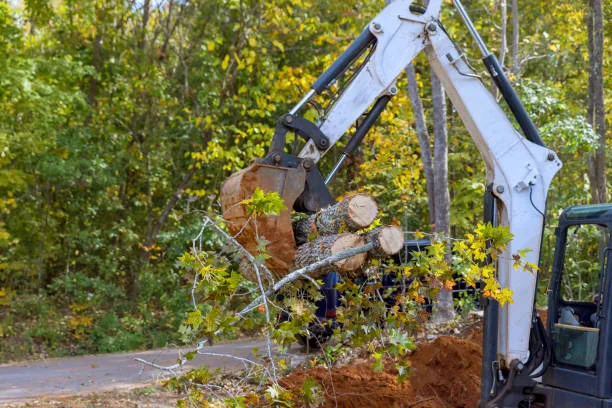
Keeping your family safe from dangerous trees requires recognizing situations where you need tree emergency services immediately. Early action beats repairing crushed roofs or clearing blocked driveways later on.
Knuckleheads Tree Service helps Florida residents and business owners identify such hazards. Together, we can prevent any further damage from troublesome trees and secure the safety of the residents’ properties.
Key Takeaways
- Hanging or broken limbs pose immediate danger and require urgent professional removal.
- Sudden leaning often signals root failure and imminent tree collapse risks.
- Root decay signs like mushrooms and shifting soil indicate severe instability.
- Trunk cracks, cavities, and fungus highlight structural weakness needing fast action.
- Trees near power lines or structures demand expert intervention to prevent hazards.
9 Signs You Need Tree Emergency Services
Trees enhance any landscape, but ignoring warning signals turns them into hazards quickly. Here are signs that you should be wary of:
1. Large Branches Are Hanging or Broken
Severe weather frequently leaves behind hidden destruction not immediately apparent. Stepping outside after high winds might reveal massive limbs dangling loosely overhead. These situations demand urgent attention, and contacting an emergency tree service is often the safest next step.
Broken wood sections could plummet without warning. A sudden breeze or simple gravity is enough to dislodge them. Having heavy timber hovering above vehicles or walkways creates a severe risk. Never attempt pulling these hazardous pieces down alone. Twisted fibers hold unpredictable tension that snaps violently.
Professional arborists utilize specialized gear for lowering such debris safely. They section off logs carefully to avoid crashing onto valuable property.
2. The Tree Is Leaning Suddenly
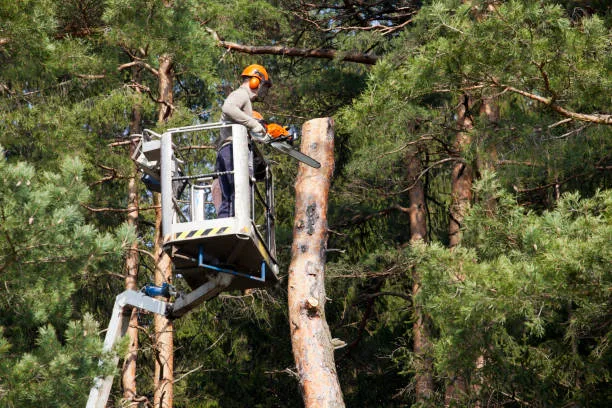
Every trunk maintains a natural posture, often growing at slight angles. However, drastic shifts in position constitute major red flags. Waking up to find vegetation tilting significantly more than previously suggests root system failure.
Such shifts frequently occur following intense rainfall saturating the ground. Soft earth causes subsurface anchors to lose their necessary grip. Inspect the base closely for visual confirmation. Soil heaving upward opposite the lean indicates imminent collapse. This phenomenon means falling is already underway. Act quickly to stop timber from crushing your residence.
3. Signs of Root Decay and Damage
Roots anchor the plant but remain concealed beneath the surface. When they rot, stability is compromised entirely. Homeowners can sometimes identify trouble without excavating. Observe whether mushrooms or fungi appear near the bottom bark. Fungi typically consume decaying organic material for sustenance.
Another symptom involves excessive movement during mild breezes. If dirt shifts around the base while the wind blows, anchorage is failing. Nearby construction projects also frequently destroy subterranean systems. Digging trenches or paving driveways often severs vital feeder lines. A specimen lacking strong support becomes a ticking time bomb.
4. Cracks and Cavities in the Trunk
Solid trunks must support massive weight from foliage and limbs. Deep fissures splitting the bark suggest structural incompetence. Such fractures result from lightning, freezing temperatures, or internal stress. Seeing daylight through a crack signals a critical emergency.
Large hollows or cavities present additional problems. While older specimens survive with some voids, extensive holes reduce strength. Crumbling or soft texture inside implies spreading rot. Hollowed columns might snap under intense storm pressure. Check regularly for these physical defects. Spotting a major separation means calling for assistance immediately.
5. Power Line Issues
Contacting tree emergency services resolves conflicts between nature and utility infrastructure. Vegetation growing into electrical wires creates severe fire hazards and electrocution risks. You may hear buzzing noises or witness sparks during windy conditions. Wet foliage conducts current, making the scenario even deadlier.
Never try trimming these dangerous boughs personally. Voltage running through neighborhood lines is lethal. Stay far away if storms knock debris onto cables. Contact professionals who coordinate directly with utility providers. They ensure electricity is disconnected or use insulated tools. Keeping growth clear prevents community blackouts and fires.
6. Dead or Dying Trees
Dead timber eventually loses all structural integrity. Dried wood becomes brittle and prone to shattering. It loses flexibility, meaning branches snap instead of swaying.
Identifying lifeless trees is usually quite straightforward. Look for missing foliage during the active growing season. Bark might peel away in large, distinct chunks. Pests often invade, causing further weakness.
Carpenter ants and termites accelerate decomposition rapidly. Standing deadwood located near structures requires immediate removal. Taking it down now costs less than repairing a smashed garage.
7. Visible Fungus and Disease
Disease signals internal weakness through various visible manifestations. Sunken or swollen bark patches often indicate bacterial cankers. If infection covers over half a limb, that section will likely perish.
Also, scan for shelf-like mushrooms protruding from the wood. These fungal growths suggest active internal rotting. Powdery mildew appears as white dust coating the leaves. While not always fatal, it demonstrates significant stress.
Black leaf spots also indicate poor overall health. Mushrooms emerging at the trunk base are most alarming. This confirms root rot is compromising stability. An expert must evaluate the decay extent immediately.
8. Storm Damage Aftermath
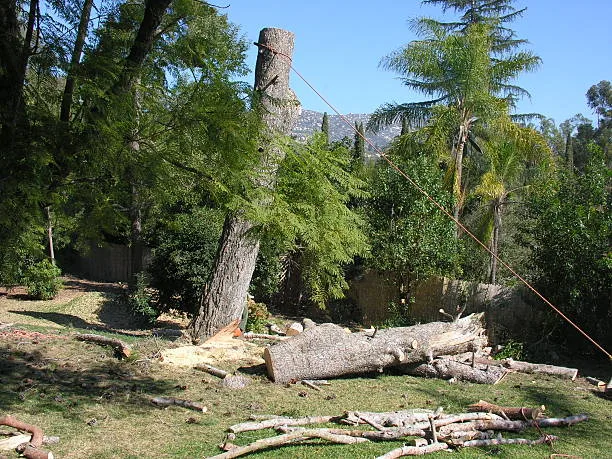
Severe weather inflicts hidden injuries leading to future failures. Inspect junctions where large branches connect to the main stem. High winds frequently split these crotches down the center. Such fractures dramatically reduce branch support capacity.
Watch for soil lifting around the tree base. This occurs even while the plant remains upright. It indicates roots have snapped or pulled loose. Lightning strikes leave distinct scars on timber.
Moreover, look for missing bark strips running the trunk’s entire length. Heat explodes the outer layer and kills the inner wood. Flash floods wash away dirt, exposing roots and reducing stability. Sometimes wind twists the crown, fracturing fibers permanently.
9. Interference with Structures
Trees cause damage without ever falling over. Boughs touching roofs act like abrasive sandpaper. Wind rubs them against shingles, wearing away protection. This friction causes leaks and extensive water intrusion. Roots create significant issues below ground level.
Furthermore, they exert massive pressure against concrete foundations. You might notice patio pavers lifting or cement cracking. Overhanging limbs drop debris directly into gutters. This material clogs drainage systems very rapidly. Overflowing water damages siding or floods basements.
Roots also grow beneath driveways seeking moisture. They lift asphalt, creating dangerous vehicle bumps. Vegetation too close to walls traps humidity. This encourages mold growth on exterior siding.
Prioritize Your Safety & Get Tree Emergency Services
Keeping your sanctuary safe remains the top priority. Nature provides shade but requires constant vigilance. You now recognize instability signs ranging from leaning trunks to decaying roots. Ignoring warnings leads to devastating property consequences. Don’t let another storm test damaged timber.
If you observe red flags listed here, contact Knuckleheads Tree Service and get our tree emergency services immediately. We possess the expertise to assess risks and eliminate danger. Proactive maintenance keeps yards beautiful and families secure. Contact us today or visit our website.
Frequently Asked Questions
1. How much does emergency tree removal typically cost?
Pricing fluctuates based on size, location, and risk factors. Emergency work costs more than standard removal due to urgency.
2. Will my homeowner’s insurance cover tree removal?
Policies usually cover removal if structures sustain impact damage. They rarely pay for the preventative cutting of standing timber.
3. Can I remove a dangerous tree myself?
Emergency extraction involves extreme danger levels. Specialized training and heavy equipment are required. DIY attempts frequently cause severe injuries or further destruction.
4. How quickly can a service arrive?
Most urgent care companies maintain 24/7 availability. Crews typically arrive within hours to secure the site.
5. What happens if a neighbor’s tree threatens my property?
Notify the neighbor in writing immediately regarding concerns. If their timber falls, causing damage, their insurer is liable upon proving negligence.with and need attention from personnel trained for such situations. Knuckleheads Tree Service, Inc – Fast, Safe & Affordable Services in Odessa, FL. Knuckleheads Tree Service, Inc is providing fast and safe solutions to keep your property safe and your trees healthy! Whether it be emergency removals or hazard pruning, our staff brings experience, care, and dependability to your project.
Knowing what to expect from an emergency tree service will help you act appropriately during stressful situations and keep your landscape safe and well-maintained. Contact us today or visit our website to schedule your service!
Frequently Asked Questions
How fast can an emergency tree service arrive?
Call times vary; however, Knuckleheads Tree Service responds quickly to emergency calls and often within the hour with a solution for safety.
Is emergency tree removal destructive to my property?
When trees are taken down, this is usually done by professional arborists who have safer methods and equipment for keeping property free from damages.
How do I know if a tree is dangerous?
Symptoms are leaning trees, broken or hanging branches, peeling bark and fungi or decay may be found on the tree.
Can damaged trees be saved?
Some trees may be braced or trimmed to eliminate continued hazard. Our arborists evaluate each case, in order to choose the right action.
Is emergency tree service covered by insurance?
Coverage depends on your policy. We suggest you check with your provider (if applicable, we can provide documentation for insurance claims as well).