Getting rid of an old trunk feels like a massive chore. But if you know how to remove a tree stump without renting heavy machinery will save you a small fortune. Fortunately, there are a few methods you can use to banish leftover timber using basic tools alongside patience.
Knuckleheads Tree Service breaks down the steps to removing a tree stump. Thus, allowing yard reclamation for new plants or lawn today.
Removing a Tree Stump Step-by-Step
Working on a tree stump without heavy machinery is laborious and time-consuming. For that reason, we don’t recommend that you do it for large tree species. Take note that this method usually only works on smaller trees.
1. Prepare the Stump and Work Area
Prior to beginning any extraction, preparing the site is mandatory. Clear away all dirt, rocks, and debris encircling the base to establish a tidy zone. Employing a shovel or trowel, dig a trench around the entire perimeter roughly six to eight inches deep. Exposing upper roots assists later stages significantly. Brush off the top surface ensuring complete cleanliness so every necessary part remains accessible.
2. Cut the Stump as Low as Possible
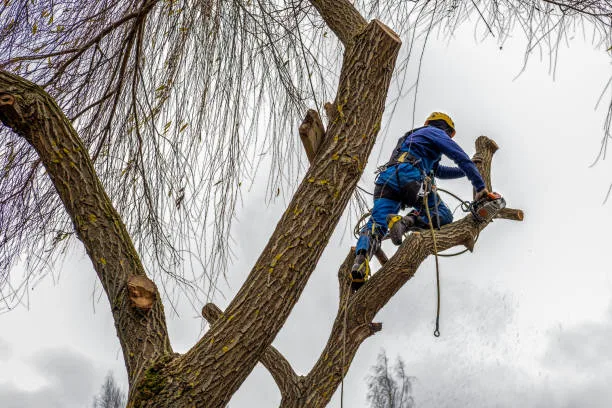
Cutting that timber down near ground level constitutes the next crucial phase. Utilize a chainsaw for this specific task provided one is available; otherwise, a sharp handsaw or bow saw functions adequately. Leaving minimal wood above the surrounding soil line remains the primary objective since lower cuts mean less material requires disposal. Always exercise caution while operating blades by wearing safety gear like gloves and eye protection to simplify the total process.
3. Drill Holes in the Stump
Preparing wood for decomposition or chemical treatment requires boring into the surface. Grab a large bit, perhaps a one-inch spade type, and drive multiple deep cavities across the entire face.
Ensure these openings reach eight to ten inches down while spacing them three to four inches apart. Tighter, deeper spacing improves final results because channels absorb materials utilized to disintegrate fiber.
4. Choose Your Method of Stump Removal
Several solid options exist for eliminating remaining lumber depending on timelines and desired physical exertion levels. Consider these distinct paths prior to moving forward.
The Manual Dig and Axe Method: Chopping and prying roots piece by piece with axes, pickaxes, and shovels demands significant bodily energy.
Chemical Stump Remover: Pouring potassium nitrate products into drilled voids speeds up natural decay, taking weeks but demanding little labor.
Epsom Salt or Rock Salt: High concentrations of saline dry out and kill timber naturally, avoiding harsh substances despite the duration.
5. Applying a Chemical Stump Remover
Selecting the chemical route necessitates following label instructions meticulously. Granular potassium nitrate usually fills every cavity bored into the surface earlier. Adding water dissolves these granules, helping the solution soak deep into woody fibers effectively. Covering everything with a plastic tarp traps moisture and heat to accelerate breakdown. Waiting several weeks allows the substance time to soften that hardwood.
6. Using Epsom Salt for Natural Decay
Epsom salt offers a fantastic non-toxic alternative for disintegration. Pack those drilled openings completely using dry minerals before adding just enough liquid to create thick paste.
Alternatively, mixing solution beforehand to pour inside works too, provided the area stays moist. Reapplying every few weeks draws hydration from the timber, eventually killing living tissue. Although taking six months to a year, this approach remains environmentally friendly.
7. The Manual Removal Process
Possessing strength and patience allows for manual extraction. Begin by digging away soil with pickaxes to expose major subterranean structures. Utilizing sharp axes or root saws, slice through thick anchors radiating outward, focusing on one section at a time.
Once the main roots are severed, prying the base loose with leverage tools becomes feasible. Consistent effort removes the object in a day, leaving you feeling accomplished about successfully clearing that obstacle without heavy machinery.
8. Dealing with Remaining Roots
After the main block is gone or decayed, addressing the leftover system is vital. Never leave large tendrils just below the surface; instead, trace them back using a spade. Dig out as much matter as possible since the remaining pieces cause landscaping headaches later.
Sever connections with clippers, then dispose of debris properly. Packing that void with topsoil and compost prepares the ground for fresh planting.
9. Safely Burn the Remaining Wood (Check Local Rules)
Certain regions permit burning wood residue once chemical softeners have acted. Check local fire codes and regulations strictly before attempting this ignition. Drill new, slightly larger vents for ventilation, then pour kerosene or fuel oil inside to soak for hours.
Then, light the timber carefully so flames consume dead material slowly. Monitor combustion constantly until ashes cool completely, never leaving the site unattended.
Do You Need to Remove a Tree Stump?
Tackling such a tough landscaping project successfully is a huge personal accomplishment. However, even if you know how to remove a tree stump without any complicated machinery, you still need to allot time and effort.
The good news is that you can skip all the complicated stuff. Let Knuckleheads Tree Service do the heavy lifting. Call us today, and we’ll get rid of the stump in a jiffy.
Tackling such a tough landscaping project successfully is a huge personal accomplishment. However, even if you know how to remove a tree stump without any complicated machinery, you still need to allot time and effort.
The good news is that you can skip all the complicated stuff. Let Knuckleheads Tree Service do the heavy lifting. Call us today, contact us today, or visit our website, and we’ll get rid of the stump in a jiffy.
Frequently Asked Questions
How long does the chemical method take?
Chemicals typically require four to six weeks to soften fibers sufficiently for easy extraction.
Can I use bleach to remove a stump?
No, applying bleach harms soil and surrounding vegetation without effectively removing stumps.
What is the fastest non-machine method?
Manual excavation using axes and digging bars proves fastest but demands significant physical exertion.
Will the roots grow back after removal?
Root systems generally won’t regenerate once the trunk and connections are killed or removed.
Is it necessary to fill the hole immediately?
Immediate soil filling prevents tripping hazards while preparing the earth for sod or plants.