
Overgrown branches in Lutz aren’t just a nuisance for your mower; they’re a liability that the Florida weather will eventually exploit. When those heavy 4 p.m. summer deluges roll in, a dead limb becomes an unguided projectile aimed squarely at your shingles or the local power grid.
You’re likely wondering when can you trim trees to avoid a disaster before the next big wind event tests your property’s structural integrity. You need a landscape that performs under pressure and keeps your family safe. Knuckleheads Tree Service sees the fallout of neglect every single week—it’s a mess of rot, wood-boring pests, and five-figure emergency removal bills. Keeping up with maintenance is the only real way to kill these outdoor headaches before the wind starts howling.
Key Takeaways:
- Halt Decay: Cut out “bleeding” cankers and fungal shelf growth early to stop rot from hitting the main trunk.
- Neutralize the Sail Effect: Thin the interior canopy so hurricane-force winds pass through the branches instead of snapping the trunk like a toothpick.
- Clear the Impact Zone: Drop heavy overhanging limbs now to keep your shingles and your kids’ play areas from taking a vertical hit.
- Drive Market Value: Apply clean, structural cuts that signal to any buyer that this property has been handled by a pro, not a weekend warrior with a pole saw.
Defining the Cut: It’s More Than a Haircut
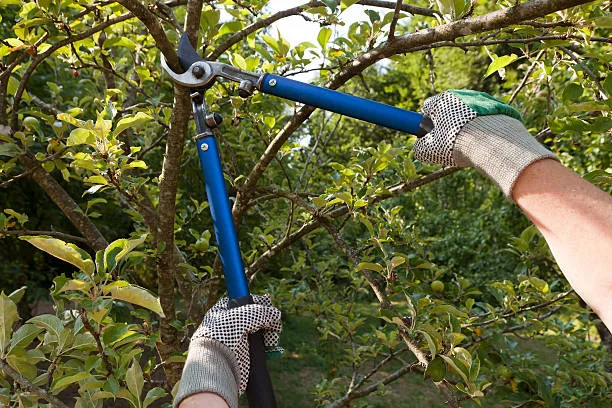
Tree pruning is basically surgery for your landscape. It involves the calculated removal of specific plant parts—deadwood, diseased limbs, or “V-shaped” inclusions—to save the rest of the organism. While some neighbors might call it a simple trim, the reality is that when can you trim trees correctly, you’re focusing entirely on the biological health of the wood. We don’t just hack away; we use bypass loppers and precision arbor saws to leave clean wounds that the tree can seal off before the humidity sets in.
Understanding the gap between a “hack job” and a master cut is what keeps your oaks alive for another fifty years. Proper technique protects the cambium layer from invaders and keeps wood rot from migrating into the heartwood. When the job is done right, the tree keeps a natural, sturdy balance that handles Florida’s unique environmental stress. This prevents the tree from getting top-heavy and leaning dangerously over your driveway when the soil gets saturated.
Boosting the Vigor of Florida Species
Knowing the right timing allows you to maximize air circulation and sun exposure, which are the lifeblood of photosynthesis and disease resistance. Thick, matted growth in this Lutz humidity is a death sentence; it creates a swampy microclimate in the canopy where fungi and sap-suckers thrive. We thin the crown to force the tree to stop wasting energy on dying limbs and start pushing it toward fruit, flowers, and structural wood.
- Maximize Sun Intake: Open the canopy so the interior leaves can actually see the sun and feed the root system.
- Stop the Bleeding: Amputate one infected branch today to save a century-old oak from a terminal fungal hit.
- Eliminate Parasites: Strip away “water sprouts” and suckers so the tree’s nutrients go to the primary skeleton where they belong.
Proactive care is an investment in your yard’s lifespan. A sick limb is just a front door for pathogens. By stepping in early, you skip the need for a total removal, which is a loud, invasive, and expensive process. A healthy, pruned tree handles the blistering Florida heat way better than one choking on its own overgrown foliage.
Hard Truths About Home Safety
Pruning is about removing “widow-makers” and limbs that are eyeing your utility lines. In Pasco County, safety is the number one reason our phones ring. A yard that’s been looked after acts as a shield for your home. We identify the structural weak links in your canopy before the weather decides to test them for you.
The Risk Mitigation List
- Kill the Widow-Makers: Drop dead limbs that are ready to fall on a perfectly calm day without a second of warning.
- Clear the Roof: Saw off branches that scrape shingles or act as a highway for roof rats and squirrels.
- Protect the Grid: Take down heavy wood over power lines to avoid local blackouts and high-voltage fire risks during a storm.
- Fix the Sightlines: Raise the canopy so you can actually see the street when you’re pulling out of the driveway.
The 4-Phase Tactical Framework
1. The Structural Audit We hunt for tight “V” crotches that are prone to splitting under their own weight. We also flag any deadwood over two inches thick that’s a “when, not if” falling hazard.
2. The Sanitation Cut We cut out diseased or bug-infested wood using tools we sterilize between trees to stop cross-contamination. We flush-cut the dead stubs so the bark can roll over and callus the wound properly.
3. The Canopy Thinning This is about reducing the “sail” of the tree. We selectively pull branches so the wind moves through the crown instead of pushing it over. We also kill the “crossing” branches that rub and create open sores in the bark.
4. The Final Shaping We balance the weight so the tree doesn’t develop a nasty lean toward your bedroom. Finally, we raise the “skirt” to give you plenty of head clearance for the mower or the sidewalk.
Real Value: Curb Appeal and Appraisals
High-end tree care tells a story. It tells the Lutz market that this property is meticulously maintained. Buyers are terrified of “wild” yards because they see a $5,000 removal bill hiding in the leaves. A clean, balanced oak or maple frames your house and creates a peaceful vibe. A small check written for maintenance today pays out in a much higher appraisal tomorrow.
- Pro Execution: Clean collar cuts and proper crown raising show the work was done by an arborist, not a guy with a truck and a dream.
- Visual Balance: Opening “windows” in the canopy lets people actually see the architecture of your home from the curb.
- Zero Liability: A clean report from a tree pro is a massive selling point, proving the lot is stable and storm-ready.
Species-Specific Growth Goals
Every tree has its own “personality” and growth habit. We don’t treat a pine like a live oak. Our goal is always to guide the growth so the roots can actually support the weight of the canopy as it matures. When can you trim trees effectively depends entirely on identifying things like epicormic sprouts and crotch angles before they become structural failures.
- Crown Raising: Sawing off the low-hanging fruit to clear the way for trucks, pedestrians, or the roofline.
- Crown Reduction: Dropping the height or spread to keep the wood away from the transformer or the neighbors’ yard.
- Crotch Angles: We look for wide “U” shapes for strength; anything else is a split waiting to happen.
- Epicormic Growth: Identifying those weak, spindly shoots that pop out of the trunk when the tree is stressed out.
The Seasonal Reality of the Lutz Landscape
Lutz winters might be short, but they are the prime window for heavy lifting. During these cooler months, the trees aren’t pushing as much sap, which means they are less likely to “bleed” or attract beetles to the fresh cuts. However, if you’ve got flowering species, we usually wait until they drop their petals in the spring to ensure we don’t kill next year’s show.
| Feature | Late Winter (Dormant) | Summer (Active) |
| Sap Flow | Low (Minimal stress) | High (Potential for “bleeding”) |
| Visibility | High (Structure is clear) | Low (Hidden by foliage) |
| Healing Speed | Fast (Spring surge helps) | Slow (Heat/drought stress) |
| Pest Risk | Low | High (Open wounds attract bugs) |
Why Gritty Pro Work Beats DIY
Climbing a ladder with a vibrating chainsaw is a fast way to the emergency room. Professional crews bring the bucket trucks, the rigging ropes, and the insurance that keeps you off the hook for accidents. At Knuckleheads Tree Service, we treat your lot like it’s our own, using industry-standard gear to protect your home and our guys.
Expert Take: The Three-Cut Method
Most homeowners make the mistake of a single downward cut. The weight of the limb then tears a long strip of bark down the side of the trunk. We use the “Three-Cut Method”: an undercut first, a top cut to drop the weight, and a final finish cut at the branch collar. This lets the tree heal without an open wound for rot to enter.
Maintaining Your Sanctuary
A high-end landscape requires a long-term plan. You shouldn’t be waiting for a hurricane to find out if your oaks are solid. Our team knows how to balance the biology of the wood with the safety of your family. Whether you need a simple thinning or a full stump removal, we bring the grit and precision needed for the Florida environment.
Need a Professional to Trim Your Trees?
Proactive tree health ensures your yard stays a sanctuary, not a source of anxiety. By using a strategic framework for your pruning, you protect your home’s value and your family’s safety. Take the next step toward a cleaner, safer yard. Call Knuckleheads Tree Service at 813-428-3149 today to schedule a consultation on when can you trim trees for your specific property.

Frequently Asked Questions
How often should I have someone out to look at my Lutz trees?
Mature Florida trees usually need a professional eye every three to five years. Younger trees need more attention—every two years or so—to make sure their structural “skeleton” is growing straight and strong.
Is it okay to prune during a Florida summer heatwave?
Summer isn’t the time for major surgery. The heat and potential drought put too much stress on the tree. We usually stick to “P.D.B.” (Pointless, Dead, or Broken) wood during the hot months to keep the tree’s resources focused on survival.
Can a bad pruning job actually kill my tree?
Absolutely. If you “top” a tree or take more than 25% of the leaves in one go, you can shock it to death. We follow ANSI A300 standards to make sure the tree stays healthy and lives longer because of our work.
What is the real difference between pruning and trimming?
Trimming is usually about making a hedge look neat. Pruning is a technical, health-focused job. It’s about looking at the biology and safety of large trees and making surgical moves to improve their structure.
What goes into the quote for a pruning job?
We look at the size of the tree, how sick it is, and how close it is to your house or the power lines. Accessibility for the bucket truck and how much debris we have to haul away also play into the final number.


