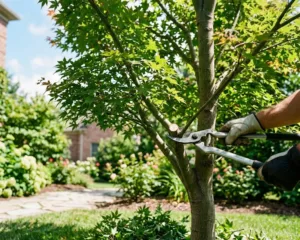
If you’re wondering when should you prune trees, the answer isn’t a one-size-fits-all date, it depends on the species in your yard, the local Florida humidity, and the overall health of your canopy. Getting the timing right ensures your trees heal fast, stay resilient against pests, and don’t get stressed out by the Land O’ Lakes heat. At Knuckleheads Tree Service, Inc, we walk homeowners through the best schedule for tree trimming to keep their property looking sharp and staying safe year-round. Investing a little thought into the calendar now prevents a lot of headaches during storm season.
Key Takeaways
- Target late winter (February–March) for the majority of deciduous trees to trigger rapid healing and dodge disease cycles.
- Identify specific species like oaks and maples that have strict “no-cut” windows to prevent sap bleeding or fungal infections.
- Utilize summer pruning as a tactical move to thin out overgrown canopies and boost airflow, provided you don’t overdo it.
- Execute emergency cuts immediately if a limb poses a threat to your roof or power lines, regardless of what the thermometer says.
- Sync shrub maintenance with their specific blooming cycles to avoid accidentally cutting off next year’s flowers.
When to Trim Trees
The clock is ticking the second you make a cut. Research shows that trees pruned during their late-winter nap heal their “wounds” up to 85% faster than those hacked at during the peak growing season. When the tree is dormant, it’s about 40% less stressed because it isn’t trying to push out new leaves and seal a cut at the same time. Winter pruning leverages the energy stored in the root system, meaning that once spring hits, the tree has a massive “bank account” of nutrients to fuel a clean recovery.
By clearing out dead wood in the winter, you’re basically clearing the runway for healthy spring growth. Plus, since most Florida pests and fungi are sluggish or inactive when it’s below 50°F, you’re much less likely to deal with an infestation in a fresh cut.
Winter: The Gold Standard for Tree Pruning
For most of the leafy trees around Land O’ Lakes, the sweet spot is late February through early March. During this “dormancy window”:
- Visibility is peak: Without leaves in the way, a pro can see every structural crack or crossing branch.
- Natural defense: Cold air keeps fungal spores and hungry insects from hitching a ride on your pruning tools.
- Ground stability: Firm soil means we can bring in the heavy gear without chewing up your lawn.
Species-specific precautions:
- Oaks: Strictly avoid pruning from April to October. This is prime time for oak wilt, and a fresh cut is like an invitation for the disease.
- Elms: Keep the saws put away until the leaves are gone to dodge Dutch Elm Disease.
- Stone fruits (Cherry, Plum): These are the outliers—wait for summer to avoid “bacterial canker.”
- Maple, Birch, Walnut: If you cut these in winter, they “bleed” sap everywhere. Summer pruning keeps them dry and healthy.

Summer Tree Trimming
In our mild Land O’ Lakes climate, a light trim in early summer (June to early July) can knock back those annoying “water sprouts” by up to 70%. It also thins the canopy so the breeze can actually move through the tree, which is huge for preventing mold and mildew. If you have fruit trees, Tree pruning once the fruit has set (but before harvest) helps the tree put its energy into the fruit rather than extra leaves.
- Watch the heat: Never do heavy structural pruning when it’s over 90°F.
- The 25% Rule: Don’t take off more than a quarter of the leafy canopy at once.
- Pest Control: Snip off branches that are crawling with aphids or caterpillars to stop them from spreading to the rest of the yard.
Evergreens and Shrubs
- Evergreens: Late winter is the time for the big “remodeling” cuts, though you can do light tidying in the summer. For pines, wait until early summer when the new “candles” are visible.
- Flowering Shrubs: This is all about the bloom. If it flowers in spring, prune it right after the petals fall. If it flowers in summer or fall, wait until late winter or very early spring to trim.
Controlling Tree Size Through Pruning
Pruning is basically “steering” the growth of your tree. If you’re trying to keep a tree from taking over the driveway, summer pruning is the brake pedal—it slows growth down. Winter pruning is the gas pedal—it encourages a burst of healing and new wood. We always prefer “thinning cuts” over “heading cuts” (topping) because it respects the natural shape of the tree and prevents those ugly, weak clusters of sprouts from popping up.
Signs You Should Prune Immediately
Sometimes you can’t wait for the “right” season. If safety is on the line, the rules change. Call Knuckleheads Tree Service, Inc immediately if you spot:
- Target hazards: Limbs hanging over your house, the sidewalk, or clicking against power lines.
- Visible decay: Deep cracks, hollowed-out spots, or “sawdust” indicating pests are eating the tree from the inside.
- Storm damage: Split trunks or branches that look like they’re ready to snap during the next afternoon thunderstorm.
Getting these addressed early prevents massive property damage. Our certified arborists have the grit and the gear to take these down safely without risking your home.
Professional vs. DIY Tree Pruning
Sure, you can handle the low-hanging fruit with a pair of hand loppers. But for the big stuff, the high-value hardwoods, or trees in the “danger zone” for disease, you need a pro. Knuckleheads Tree Service, Inc sticks to the standards. We don’t just “cut branches”; we perform surgical strikes that ensure the tree stays healthy and your property stays safe.

Conclusion
Understanding when should you prune trees is the difference between a landscape that thrives and one that just survives. Whether it’s the winter “Gold Standard” for your oaks or a summer thinning for your fruit trees, timing is everything. For our neighbors in Land O’ Lakes, the team at Knuckleheads Tree Service, Inc is ready to make sure your pruning is done with precision and local expertise. Don’t leave your tree health to guesswork—invest in the right cuts at the right time. Contact us today to learn more and schedule your tree pruning service today!
Frequently Asked Questions
When is the best time to prune fruit trees?
Hit them in late winter for the heavy structural work, and follow up in early summer once the fruit starts growing to thin out the canopy and keep the air moving.
Can I prune trees in the fall?
We usually advise against it for deciduous trees. Fall pruning can trigger a “growth spurt” right before a freeze, which can kill off those new, tender branches.
Should I prune oaks in summer?
Absolutely not. Pruning oaks between April and October is a massive risk for oak wilt. Stick to the cold months of December through February.
How do I know if a branch is hazardous?
Keep an eye out for deep splits, “V-shaped” junctions, or branches that have lost their bark. If it’s over a walkway or your roof, it’s a hazard that needs a look.
Can I prune my own trees safely?
If you can reach it from the ground with hand tools, go for it. If you need a ladder or a chainsaw, or if it’s near a power line, back off and call a certified arborist before someone gets hurt.